REVIEW · BELFAST
Belfast Troubles Murals Street Art and Peace Wall Walking Tour
Book on Viator →Operated by belfastology walking tours · Bookable on Viator
Murals tell the Belfast story in real time. On this Troubles street-art walk, I loved how the route brings you right to the Peace Wall and then back through neighborhoods where the walls still carry the history.
You’ll be led by local guide Marti, and that matters. He uses the murals as his clues, then connects them to what Belfast has been through—and what people are trying to build now—with a small-group feel (max 8).
One thing to consider: this is a brisk walk with a lot to absorb, and the guide doesn’t use a microphone. If you’re sensitive to intense topics or fast pace, you’ll want to manage expectations going in.
In This Review
- Key things to know before you go
- Street Art as a Belfast Classroom
- Price and Timing: why $36.11 can feel fair here
- Your Guide and the Small-Group Dynamic (Marti, max 8)
- Cathedral Quarter: modern street art and the re-imaging project
- Shankill Road Loyalist Murals: seeing pride and pain on the same walls
- Divis Street International Mural Wall: the causes go global
- The Peace Wall: a quick look with lasting impact
- Bobby Sands Mural: why the most photographed wall gets attention
- Finishing in the city centre: keep walking after the tour
- How to prepare: shoes, weather, and hearing the guide
- Who this tour suits best (and who should skip it)
- Should you book this Belfastology mural and peace wall walk?
- FAQ
- How long is the Belfast Troubles Murals Street Art and Peace Wall walking tour?
- How much does the tour cost per person?
- Is the tour offered in English?
- Is the Peace Wall admission included?
- Is this tour suitable for children or teenagers?
- What is the maximum group size?
- Where does the tour start and where does it end?
- What kind of fitness level do I need?
- What cancellation window is allowed for a full refund?
Key things to know before you go
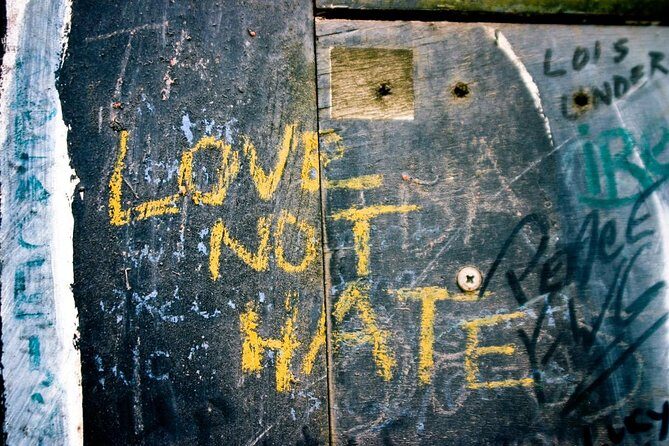
- A Peace Wall stop you can see, not just read about: quick, but powerful, and it changes how you see the rest of the route.
- Small group (up to 8): you move faster, but you also get a more personal guide experience.
- Neighborhood-by-neighborhood murals: Loyalist walls, Republican art, and international causes—all on foot.
- Street art as conversation: modern pieces, political murals, and community projects like re-imaging.
- A walking tour that keeps time for looking: you’re not just passing by paint.
Street Art as a Belfast Classroom
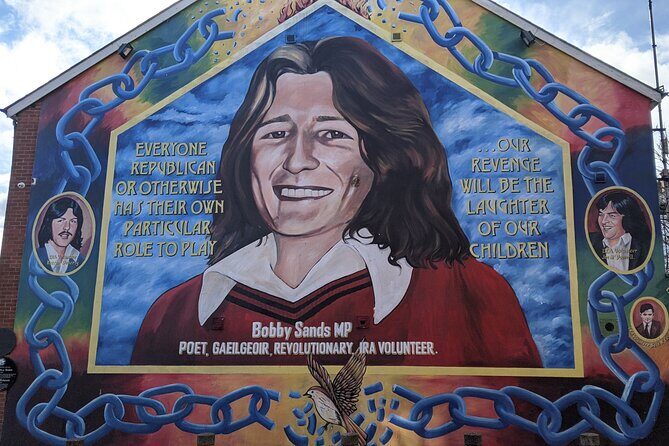
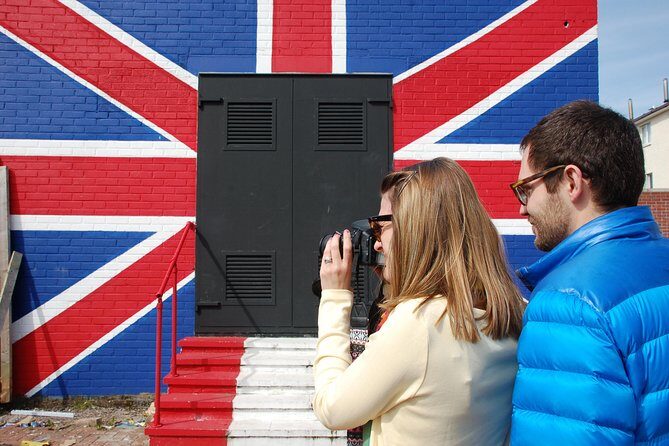
This tour feels like learning Belfast through images you can’t ignore. The walls here aren’t decoration. They’re shorthand for identity, grief, pride, and change. And when you’re walking from mural to mural, the story builds naturally, step by step, block by block.
I also like how it doesn’t treat the past like it’s finished. You see plenty of political murals, but you also see the push toward peace. The Peace Wall stop does that job fast: it puts a physical boundary in your path, so the idea of divided communities feels real in your legs and eyes—not just in your head.
Other Troubles & political tours we've reviewed in Belfast
Price and Timing: why $36.11 can feel fair here
At about $36.11 per person for roughly 3 hours, this isn’t priced like a long-haul city bus tour where you get scenery and photos. Instead, you’re paying for a focused walk, a local guide, and access to context you won’t get wandering alone.
You also get shopping and restaurant discounts tied to the tour. That part can be genuinely useful if you plan to eat near the end point. Even if you don’t use every discount, the value usually comes from what you learn: murals are easier to understand when someone explains what you’re looking at and why it matters.
Just don’t expect a slow stroll. Reviews note the guide walks briskly, and one group measured about 6 km in 3 hours. Build in energy for looking closely and moving on.
Your Guide and the Small-Group Dynamic (Marti, max 8)
Marti is a big part of the appeal. People consistently praise his local perspective and his storytelling style. You’ll get clear explanations that connect murals to the Troubles and to today’s healing process.
That said, this is still a live human tour, not a scripted museum lesson. A minority of reviews describe moments that felt challenging or awkward, like when the guide asks what you know or pushes the group to think. If you like a hands-on Q&A style, you might find the approach more front-foot than you expect.
The practical upside: max group size is 8, so the tour doesn’t feel crowded. The practical downside: without a microphone, you’ll want to keep close enough to hear. If you’re at the back, you might miss some lines.
Cathedral Quarter: modern street art and the re-imaging project
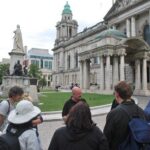
You start in the Cathedral Quarter area on a walk that’s roughly 30 minutes at the first segment (about 2.5–3 hours total for the full tour length, depending on the pace and conditions). This section is where you get oriented to Belfast as it is now.
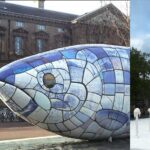
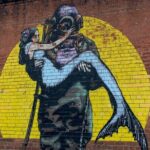
You’ll look at modern street art by international street artists, which helps reset the common idea that these neighborhoods are only about older conflict. Then you start edging west to see more controversial political murals, where art functions like a public argument.
One specific project you’ll hear about is re-imaging, meant to put up street art or murals that local communities choose to share. That’s a big deal, because it flips the usual story. Instead of only seeing murals as imposed messages, you also see them as community-led storytelling.
Potential consideration: this section can feel information-heavy. If you prefer to take your time reading every detail without much talking, you may need extra patience. The good news is the tour is built for people who want time to see the work, not just pass by it.
Shankill Road Loyalist Murals: seeing pride and pain on the same walls
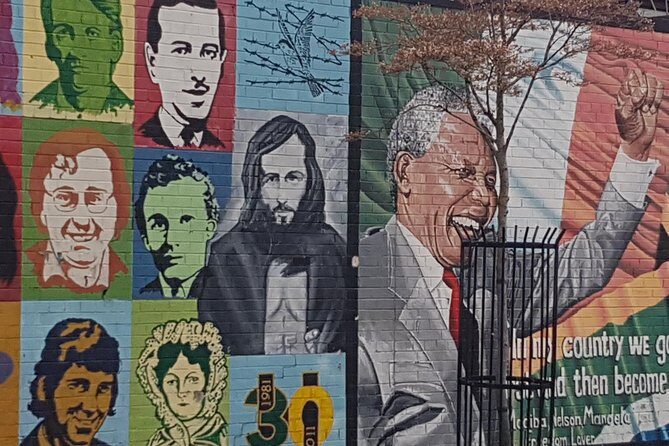
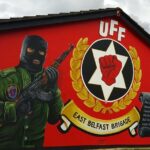
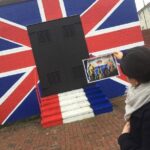
Next you head to the Shankill Road area for a shorter stop (around 15 minutes). Here you’ll focus on Loyalist murals alongside local street art.
This stop matters because it gives you a different angle on the Troubles story. In Belfast, communities often experience conflict from different sides. Seeing both types of political messaging helps you understand why people interpret events differently—and why the idea of peace has to work on a neighborhood level, not just a national one.
Also, pay attention to how the art is placed and how it’s framed by the street itself. Even when you don’t know the names yet, you can usually feel whether the mural is aimed at remembrance, protest, or identity.
A drawback you should plan for: this is still a political-adjacent area. Even when the tone is respectful, don’t treat the murals like they’re neutral decoration. They’re part of living memory.
Other murals & street art tours in Belfast



Divis Street International Mural Wall: the causes go global
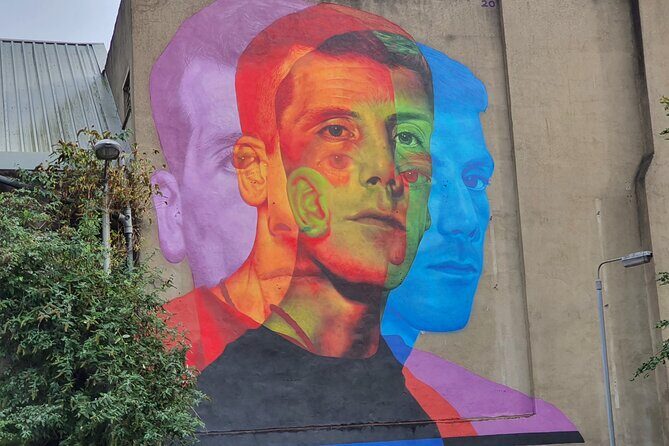
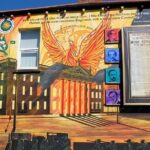
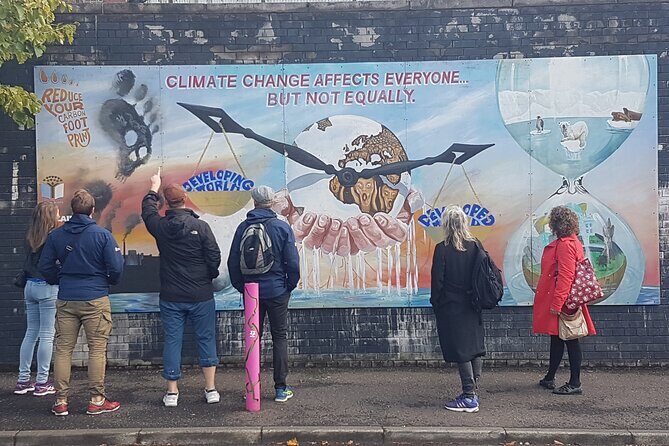
Then you hit the International Mural Wall on Divis Street (about 15 minutes). The theme changes here: instead of only Belfast’s local conflict, you’ll see murals for causes around the world.
That global angle is one of the tour’s smartest moves. It reminds you that art can be used for solidarity, not just for division. And it helps you connect Belfast’s peace process to broader themes—human rights, community voice, and the ways people try to speak across distance.
If you like variety, you’ll appreciate this stop. You’re not only moving through different political viewpoints; you’re also seeing different styles and purposes for street art.
The Peace Wall: a quick look with lasting impact
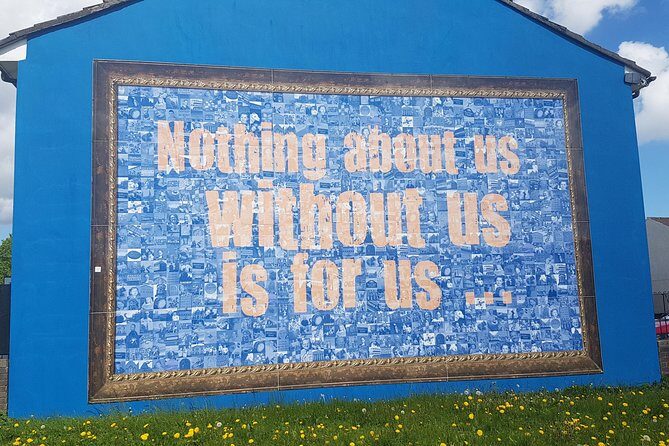
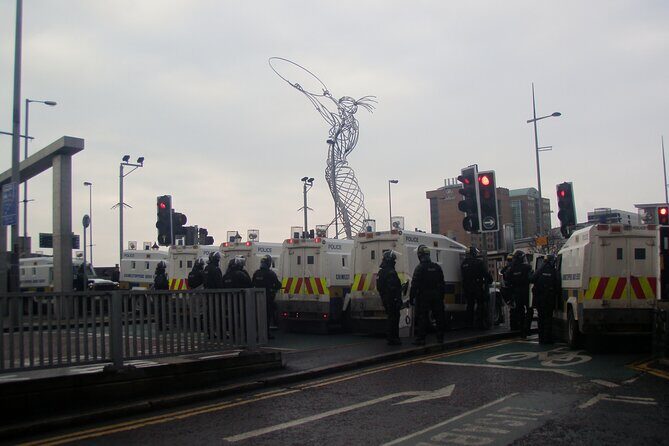
The Peace Wall stop is short (around 10 minutes), and Peace Wall admission isn’t included in the tour. Even so, it’s one of the moments that tends to stick with people.
The reason this works isn’t the time. It’s the visibility. You’re standing where the city has physically drawn a line between communities. That physical barrier turns abstract concepts—segregation, fear, recovery—into something you can measure with your eyes.
Practical note: because it’s quick, show up ready. Keep your attention on what the wall is for and how the surrounding murals frame it. Don’t just rush to photos.
Bobby Sands Mural: why the most photographed wall gets attention
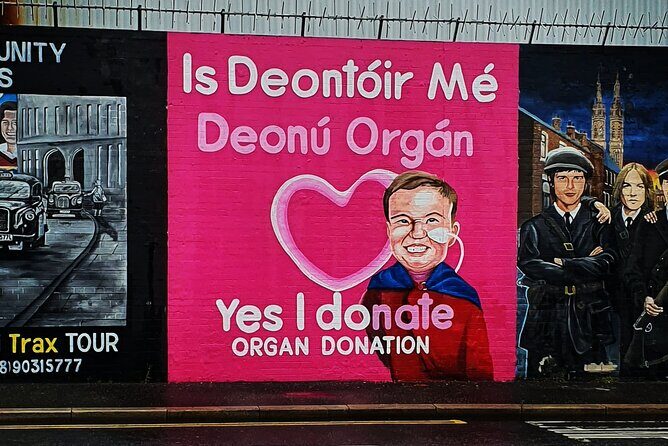
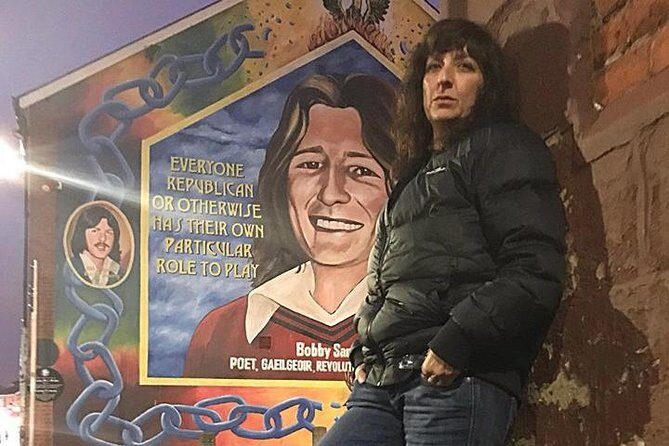
You also visit the Bobby Sands mural (about 5 minutes). This is described as the most photographed mural in the Republican area of West Belfast.
Short stop. Big symbolism. You’ll likely feel the difference immediately: the scale, the positioning, and the way people react to it tells you this mural functions as more than one painting. It’s a landmark in collective memory.
This is one of those stops where I recommend stepping back from the phone for a minute. Look at the surroundings. Then look at the mural again. It lands differently when you treat it as part of a neighborhood story rather than a sightseeing checkpoint.
Finishing in the city centre: keep walking after the tour
The tour ends back near the city centre, at 32 Bank St. You’ll finish around Kelly’s Cellers, or you can take a short walk to City Hall at 2 Royal Avenue in a local community center.
I like that ending setup. It’s not a dead-end drop-off. You can keep going, grab food, and use the walking momentum you already have. If you’re using tour-linked shopping and restaurant discounts, this is where that convenience pays off.
And because you pass more street art on the way back, you still feel like you’re in the mural world rather than being transported out of it.
How to prepare: shoes, weather, and hearing the guide
This is weather-and-footwork friendly advice, not a warning. The tour notes that it can rain and be colder than you’re used to, and that sunlight can be strong at times.
So:
- Wear comfy shoes. You’ll cover ground and need traction.
- Dress for cool, damp Belfast weather even if the day starts mild.
- Sun protection can help in summer; sunglasses are optional.
Also, since the guide doesn’t use a microphone, plan to stand where you can hear. If you take the tour, treat it like a walking lecture: stay close, ask questions when you can, and don’t expect every sentence to carry across the entire group.
Who this tour suits best (and who should skip it)
This tour is a strong fit if you want:
- a practical walking route through Troubles murals and peace-focused public art
- a local guide who explains what you’re seeing
- a small-group experience (max 8) where you can move through neighborhoods on foot
It’s less ideal if:
- you want a relaxed pace with minimal politics
- you hate fast walking
- you prefer museum-style quiet and lots of sitting down
- you’re not comfortable with adult-level discussions of conflict and community healing
One more clear constraint: it’s adults only (not suitable for under 18s).
Should you book this Belfastology mural and peace wall walk?
If your goal is to understand Belfast beyond postcards, I think this tour is worth it. The combination of Troubles murals, the Peace Wall, and community art projects like re-imaging gives you both the hard past and the ongoing work toward peace. And because the group is small and the focus stays on what you see, it feels like a guided street-level education, not a rushed highlights loop.
Book it if you can handle a brisk walk and you’re okay with a guide who’s passionate enough to press you for thinking. Skip it if you want low-effort sightseeing or you need very quiet, strictly neutral commentary.
FAQ
How long is the Belfast Troubles Murals Street Art and Peace Wall walking tour?
It’s listed as about 3 hours (approximately), with the main walking segments totaling around that timeframe.
How much does the tour cost per person?
The price is $36.11 per person.
Is the tour offered in English?
Yes, the tour is offered in English.
Is the Peace Wall admission included?
No. The Peace Wall admission is not included.
Is this tour suitable for children or teenagers?
No. It’s listed as adults only and not suitable for under 18s.
What is the maximum group size?
The tour has a maximum of 8 travelers.
Where does the tour start and where does it end?
It starts at Exchange Street West, Belfast (Exchange St W, Belfast BT1) and ends at 32 Bank St, Belfast BT1 1DA (with finish points also mentioned near Kelly’s Cellers and a short walk option toward City Hall at 2 Royal Avenue).
What kind of fitness level do I need?
It asks for moderate physical fitness, since it’s a walking tour.
What cancellation window is allowed for a full refund?
You can cancel for a full refund if you cancel at least 24 hours in advance. Within 24 hours, the amount paid is not refunded.