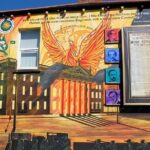
A taxi ride can carry the Troubles’ stories. On this Peace Wall Taxi Tour in Belfast, you’ll jump between key mural spots and the Peace Wall fast, with a guide who answers questions as you go. You’ll also get the history from both Irish Nationalist and British Unionist angles, without feeling rushed through it.
I love that it’s private: it’s just your group, so you can pause for photos, ask hard questions, and spend more time where you’re most curious. I also love the human touch—guides like Dan and Danny share lived-in-Belfast context, not just textbook facts.
One drawback to plan for: the experience can feel emotionally intense. If you prefer a strict focus on the Troubles only, you should set that expectation early, since some guides may also bring in other current topics.
In This Review
- Key points before you go
- Getting the Troubles context fast in a private Belfast taxi
- Stop-by-stop: murals, the Peace Wall, and Crumlin Road Gaol
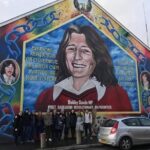
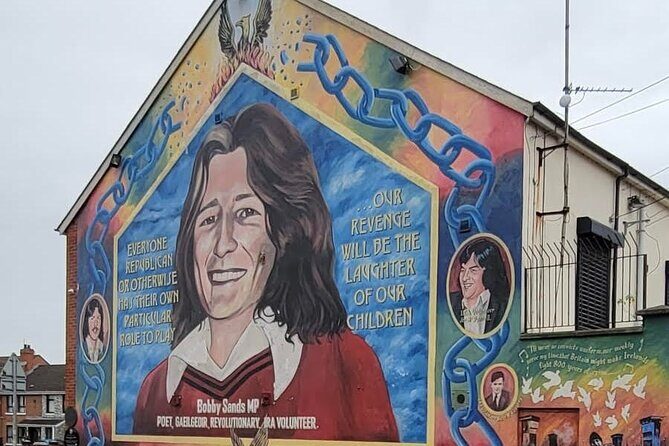
- Stop 1: Bobby Sands Mural (Irish Nationalist perspective)
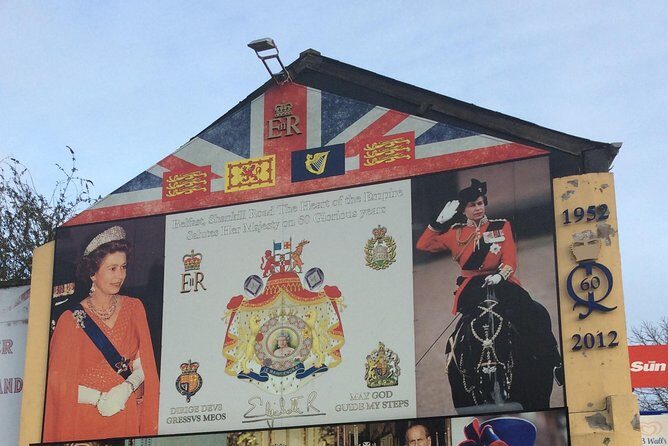
- Stop 2: Shankill Road (British Unionist perspective)
- Stop 3: The Peace Wall (see it, then hear both sides)
- Stop 4: Crumlin Road Gaol (stories from the past)
- What makes this tour feel personal: Dan’s and Danny’s lived-in approach
- Price and value: what $55.56 per person covers
- Who should book this Peace Wall Taxi Tour (and who might prefer something else)
- Practical tips to make your taxi time count
- Should you book the Peace Wall Taxi Tour?
- FAQ
- How long is the Peace Wall Taxi Tour?
- What is the price per person?
- Is this tour private?
- Which stops are included?
- Are there admission tickets to pay at the stops?
- Can you pick up and drop off anywhere in Belfast?
- Does the tour cover both sides of the Troubles?
- What language is the tour offered in?
- Are service animals allowed?
- What is the cancellation policy?
Key points before you go
- Private taxi pacing so you can ask questions and adjust the route on the fly
- Murals with real context from both Irish Nationalist and British Unionist viewpoints
- Peace Wall time on both sides of the divide, not just a quick photo stop
- Stop-and-chat photo moments (you can get out, look around, and talk)
- Family-friendly when you’re ready for serious themes, with guides reported as patient and engaging
- Short format (about 1–2 hours) that fits into a busy Belfast day
Getting the Troubles context fast in a private Belfast taxi
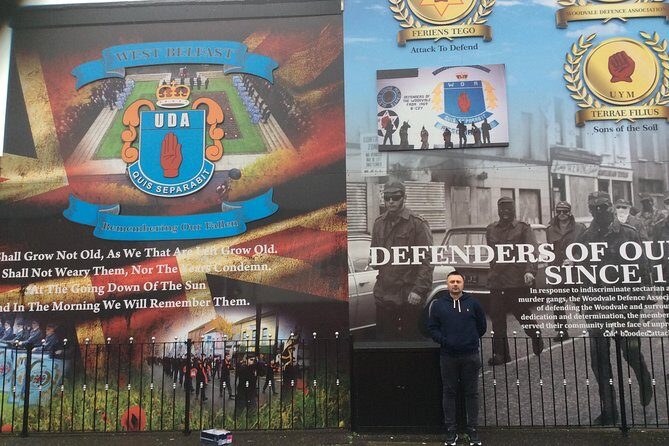
Belfast can feel like two cities at once: friendly streets, then suddenly a mural. A painted wall can point to decades of anger, grief, hope, and negotiation. This tour is built for exactly that moment when you realize you need context, not just sights.
You’ll ride in a private taxi for about 1–2 hours, starting in the city centre. That matters because the key places are scattered enough that walking would take forever, and public transit won’t give you the same on-the-spot explanations. With a taxi, you get the “drive time” as part of the story.
The tour is also flexible. You’re not locked into a rigid script where you’re herded like luggage. If something the guide says hooks you, you can usually ask follow-up questions right away, while you’re still near the place that sparked them. That helps the history stick.
And yes, the Peace Wall is the headline. But the smarter payoff is how the guide connects each stop—Bobby Sands mural, Shankill Road, the Peace Wall, and the nearby Crumlin Road Gaol stories—into one bigger picture.
Other black taxi & cab tours in Belfast we've reviewed


Stop-by-stop: murals, the Peace Wall, and Crumlin Road Gaol
This route runs on a simple rhythm. You’ll spend about 30 minutes at the Bobby Sands mural and Shankill Road, about 30 minutes at the Peace Wall (with time on both sides), and around 10 minutes passing by Crumlin Road Gaol. Driving between them adds extra minutes, which is how you get the 1–2 hour total.
Each stop is listed as free for admission, so you’re paying mainly for the guide and vehicle time—not entry fees.
Stop 1: Bobby Sands Mural (Irish Nationalist perspective)
This is where you start with the Irish Nationalist side of the Troubles. You’ll spend about 30 minutes at the Bobby Sands mural, which gives the guide time to explain what the mural represents and why that message landed the way it did in the community.
Why this stop works: a mural is not just art. It’s a shortcut to identity—what people wanted, what they feared, and what they believed. In a car tour like this, you can ask the obvious questions right away, while the guide is pointing at the symbols and telling you what mattered to the people who lived nearby.
Possible drawback: it can feel heavy fast. If you’re visiting with kids, bring a little emotional stamina. A good guide will help you pace it, but the subject matter doesn’t get lighter just because you’re on a short taxi tour.
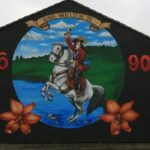
Stop 2: Shankill Road (British Unionist perspective)
Next comes Shankill Road, where the focus shifts to the British Unionist viewpoint. You’ll again get about 30 minutes, and the guide should explain how different communities remember the same era through different lenses.
This is a key reason people rate the tour so highly. You’re not just hearing one side and moving on. The goal is to show you how competing narratives can both feel true to the people living them.
How to get more out of this stop: ask the guide to explain how everyday life, not just political headlines, shaped community attitudes. The best explanations are the ones that connect murals to daily routines—shops, streets, schools, and family pressure.
Possible drawback: if you want everything “balanced” without any emotional realism, you might find it uncomfortable. The tour doesn’t pretend the Troubles were tidy.
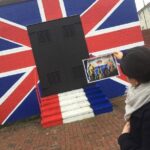
Stop 3: The Peace Wall (see it, then hear both sides)
Then you reach the Peace Wall, the physical line that divided communities. You’ll spend about 30 minutes here, and the guide is set up to take you to both sides and explain the history from each viewpoint.
This is where the tour stops being “history class” and becomes a live lesson in how geography affects relationships. Even if you’ve seen photos, the scale and the feeling of separation can surprise you. A short stop here is still worth it because you’re not just looking—you’re hearing what that barrier meant and what has changed since.
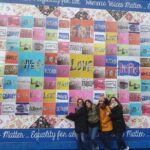
Many guides also bring small extras that make it memorable. One family-friendly moment mentioned in feedback: the guide provided pens for visitors to write on the Peace Wall. That turns a somber site into something active and reflective.
Possible drawback: 30 minutes can go quickly if your guide is telling a lot, which is usually a good sign. If you want longer contemplation time, say so early. On a flexible taxi format, your guide may be able to adjust how tightly they stick to the schedule.
Other Troubles & political tours we've reviewed in Belfast





Stop 4: Crumlin Road Gaol (stories from the past)
Finally, you’ll pass by Crumlin Road Gaol and hear stories about people who spent time there. You’ll have about 10 minutes at this last part, which is more of a moving-through-and-talking moment than a full visit.
Why it still matters: the tour uses Crumlin Road Gaol as a “what happened to real people” anchor. After the murals and the Peace Wall, it’s a gut-check reminder that politics became prison time.
Possible drawback: if you want a full museum-style experience inside the gaol, this won’t replace that. This tour is about context and orientation. Treat Crumlin Road Gaol here as an invitation to go deeper later, not as the final word.
What makes this tour feel personal: Dan’s and Danny’s lived-in approach
One of the biggest reasons this tour earns near-perfect ratings is the tone of the guidance. Guides like Dan (also shown as Dan M in feedback) and Danny are repeatedly described as warm, engaging, and willing to answer questions. You’re not just receiving a lecture; you’re talking to someone who grew up in Belfast and remembers what life felt like when tensions were higher.
You’ll notice this style right away. The guide tends to connect murals to personal experience, and personal experience to present-day Belfast. That combination helps you understand why the Troubles still echo in everyday conversation even after peace.
Family moments also come up a lot. People mention guides being patient with kids and keeping explanations in a kid-friendly lane without treating the topic like a joke. If you’re bringing children, this format can work well because it’s short, focused, and interactive.
A smaller practical perk that also shows up in feedback: some guides arrive prepared for Belfast weather. One review mentions umbrellas at the ready, which sounds minor until you’re standing outside a mural in rain and trying to keep kids from sprinting into puddles.
One note to keep you comfortable: the tour aims for both viewpoints, but guides can vary in what they choose to emphasize. There’s at least one very negative report where a guest felt the guide shifted into other contemporary politics and religious discussion. You can protect yourself from that mismatch by setting expectations early—tell your guide you want the Troubles focus and both sides, and that you’d like minimal detours into other conflicts.
Price and value: what $55.56 per person covers
At $55.56 per person, this isn’t a bargain “grab-and-go” attraction. It’s closer to paying for three things: a private vehicle, a local guide who can explain sensitive material in plain language, and a tight route that packs the key landmarks into a short day.
Here’s why it can still be good value:
- Admission is free at the stops listed, so your money goes to interpretation, not ticket gates.
- You’re getting a guided ride plus stops, not just driving past sights.
- The tour format is designed for questions and adjustments, which is where private tours tend to justify their cost.
If you’re visiting with a small group, the private taxi setup can feel especially practical because you can split the experience across fewer people than a bus tour would. If you’re a solo traveler, it still works because you’re paying for direct attention, not a seat on a big vehicle.
The one value question to ask yourself: do you want deep, guided storytelling for about an hour, or do you want to roam on your own? If your goal is quick orientation plus context, this price can feel fair. If you want a full-day, multi-site deep dive, you might combine this with another stop later.
Who should book this Peace Wall Taxi Tour (and who might prefer something else)
This tour is a strong fit if you want:
- a short Belfast day-plan that still covers major points connected to the Troubles
- both Irish Nationalist and British Unionist perspectives
- a guide who can answer questions and put murals into human context
- a private format that works well for couples and families who don’t want to be stuck with a group schedule
It can also work for teens and older kids, especially if they can handle serious themes. People have mentioned guides connecting well with kids around ages 7 through the teens, using personal storytelling to make the history easier to hold.
I’d think twice if:
- you’re looking for a strict “only the Troubles, no other current topics” experience
- you expect a specific kind of city-tour style like a Black Cab-style approach
- you want lots of time inside a single site (this route is intentionally short at the gaol)
If you fall into the “think twice” group, it doesn’t mean you can’t go. It means you should communicate your preferred boundaries upfront. Most good guides can work with you if you say what you want before you get in the car.
Practical tips to make your taxi time count
A taxi tour lives or dies by what you do with the in-between minutes. Here are a few ways to get more out of it.
Dress for Belfast weather. Reviews mention rain-ready touches like umbrellas, but it’s still smart to bring a layer. The murals and Peace Wall stops mean you’ll be outside.
Bring your curiosity, not just your camera. If you want the story to land, ask follow-ups like:
- How did people in this area talk about the conflict day-to-day?
- What did the symbols on the walls communicate locally?
- How did the Peace Wall change daily movement and relationships?
Be honest about your comfort level. If the history feels too intense, tell the guide. A good guide will know how to pace it, and a private tour gives you more control.
If you want photos, plan for quick photo windows. The guide should stop at the places of interest so you can get out and talk and take pictures. But because the tour is time-based, you’ll get the best results if you’re ready to move when the next stop starts.
Should you book the Peace Wall Taxi Tour?
Book it if you want a private, short Belfast experience that takes you to the Peace Wall, shows you murals with both perspectives, and explains how the Troubles shaped real lives. If you like local storytelling—especially storytelling that comes with lived context—this is likely to hit the right notes for your trip.
Consider skipping or researching further if you prefer a very neutral, strictly defined scope with no detours into other current issues, or if you’re expecting a different touring style than a taxi-based approach.
If you want one simple rule: if you can handle serious history and you like asking questions, this tour is an excellent way to understand Belfast in a single day slice.
FAQ
How long is the Peace Wall Taxi Tour?
The tour runs about 1 to 2 hours.
What is the price per person?
The listed price is $55.56 per person.
Is this tour private?
Yes. It’s described as a private tour/activity, meaning only your group participates.
Which stops are included?
You’ll visit Bobby Sands Mural, Shankill Road, the Peace Wall, and you’ll pass by Crumlin Road Gaol.
Are there admission tickets to pay at the stops?
Admission is listed as free for the listed stops.
Can you pick up and drop off anywhere in Belfast?
The start is in the city centre, and you can get a drop-off wherever you need in Belfast. Pickup anywhere in Belfast and surrounding area is available for an additional charge.
Does the tour cover both sides of the Troubles?
Yes. The tour is described as explaining both Irish Nationalist and British Unionist views.
What language is the tour offered in?
The tour is offered in English.
Are service animals allowed?
Yes, service animals are allowed.
What is the cancellation policy?
You can cancel for a full refund if you cancel up to 24 hours in advance of the experience start time. If you cancel less than 24 hours before, it won’t be refunded.
You Might Also Enjoy

More Tour Reviews in Belfast
- Titanic Belfast Entrance Ticket: Titanic Visitor Experience Including SS Nomadic
★ 4.5 · 3,698 reviews