REVIEW · BELFAST
History of Belfast conflict and terror 1 hour black taxi tour
Book on Viator →Bookable on Viator
Belfast gets personal fast in a black taxi. This 1-hour ride strings together a set of places that explain Belfast’s conflict without trying to tidy it up.
I love the way the driver-guide ties murals to real lived experience, not just facts. I also like how you get photo stops like the Peace Wall without it turning into a rushed museum sprint—this feels like a guided walk-through of the city’s memory.
One thing to consider: this tour tackles heavy material head-on, and some stops focus on competing versions of the conflict, so go in with an open mind and a steady stomach.
In This Review
- Key things that make this tour worth it
- A black taxi ride through Belfast’s hardest chapters
- Price and what you’re really paying for ($103.37 per person)
- How the 1-hour timing works (and why every stop is brief)
- Bobby Sands murals: Republican memory and competing narratives
- Divis Flats and the International Mural Wall: the city as a map of conflict
- Clonard Monastery: a peace-process waypoint with real names
- Peace Wall: the dividing line—and the quotes people left behind
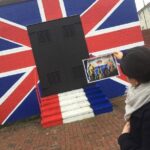
- Shankill Road and the Loyalist murals of British rule
- Pickup, meeting spot, and the easiest way to plan your timing
- Is this tour for you?
- Should you book this black taxi tour?
- FAQ
- How long is the Belfast black taxi tour?
- What does the tour cost?
- Is pickup available?
- Where does the tour start?
- Is the tour offered in English?
- Are there photo opportunities?
- Is there a cancellation option?
Key things that make this tour worth it
- A lived-through perspective: The driver-guide has lived through The Troubles and shares stories in a way that lands.
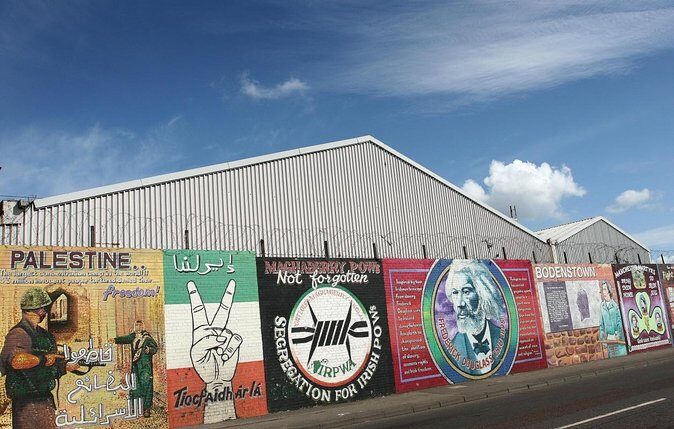
- Murals with meaning, not just art: You’ll see multiple mural sites, including the Bobby Sands murals and the Peace Wall.
- Divis Flats context: You learn how Divis was used by the British army, including the role of supply drops.
- Peace process touchpoint: Clonard Monastery is tied to secret talks involving Gerry Adams and John Hume, hosted by Father Alex Reid.
- Two-sided Belfast storytelling: You’ll move between Republican and Loyalist space and hear the story as competing narratives, not one neat line.
A black taxi ride through Belfast’s hardest chapters
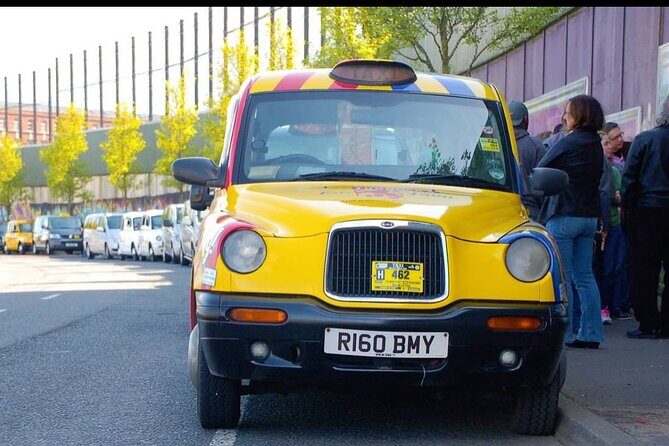
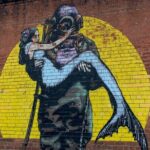
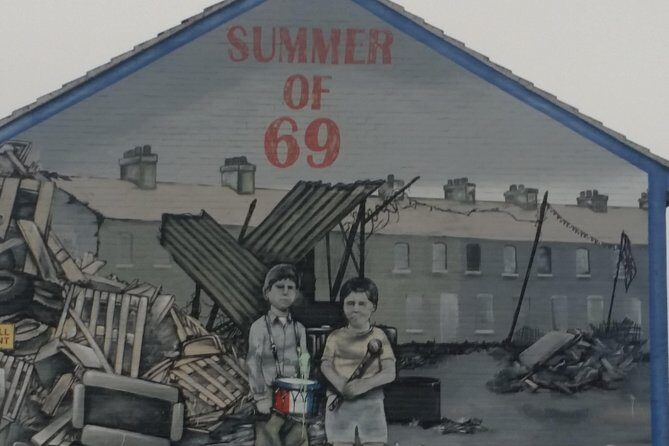
Belfast’s murals are famous, but most people only see the paintings. On this tour, the murals work like signposts. You’re not just stopping for photos. You’re getting a guided explanation for why that wall exists, why that name is repeated, and why the city still carries the argument in public.
The black taxi is part of the experience. It slows everything down. Instead of hopping between places with a planner and a map, you’re in a vehicle with a guide who talks as you roll between neighborhoods. That makes it easier to keep the story straight, especially in an area where geography and history are tangled together.
I also like that the tour is short. About an hour means you can fit it without losing half a day. Just don’t treat it like a light overview. The tone is serious, and the details are direct.
Other black taxi & cab tours in Belfast we've reviewed

Price and what you’re really paying for ($103.37 per person)
At $103.37 per person for about an hour, it’s not a budget activity. You’re paying for three things:
1) Expertise in a small time window. In an hour, you don’t want to spend time figuring out where to stand. The route takes you to high-impact sites efficiently.
2) A lived-through guide voice. This tour’s standout strength is that the driver-guide has lived through The Troubles and shares what they remember—plus how different groups explained the same events.
3) Convenience that matters in Belfast. Pickup is offered, and the route is built for moving between key streets and walls.
If you want a purely visual mural tour, there are cheaper options. But if you care about interpretation—why Belfast looks the way it does, and what people mean when they talk about the past—this price can start to feel fair fast.
How the 1-hour timing works (and why every stop is brief)
The stop list is tight: seven stops, many of them exterior, with times ranging from about 2 minutes to 20 minutes. The structure helps because the sites aren’t random—they’re sequenced so you build context as you go.
Here’s the rhythm you can expect:
- You’ll spend longer moments where murals and memory are concentrated.
- You’ll get shorter orientation stops for walls and flats, then move on.
- You’ll keep the momentum, which is ideal if you want meaning without fatigue.
This is also why the driver’s delivery matters so much. When the guide is strong, the short stops feel complete. If the guide is flat, you’d feel like you’re just watching walls go by. The good news is that the strongest praise centers on commentary and storytelling, including a driver named Brian, who was described as fantastic and especially strong on knowledge.
Bobby Sands murals: Republican memory and competing narratives
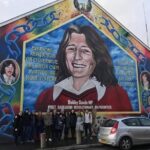
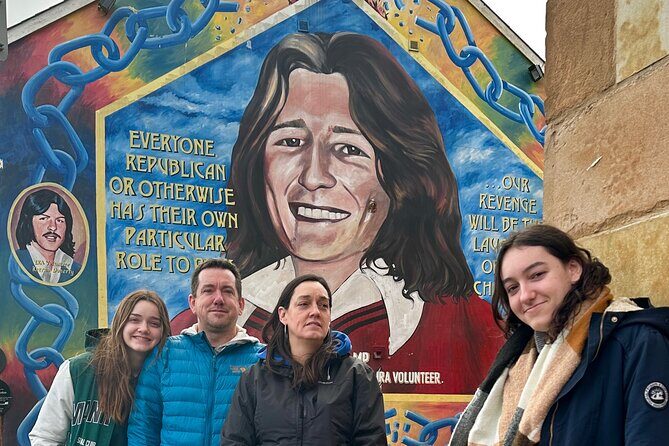
You start at a Bobby Sands mural, which sets the emotional tone right away. The guide frames the conflict in terms of different versions—Republican, Loyalist, and British viewpoints—then talks through how those stories collide. The aim isn’t to force you into one side. It’s to show how each side remembers the same period differently.
In that first stop, you also get time to walk in the mural area and memorial gardens, which helps you slow down even though the overall tour is short. Spending about 10 minutes here gives you enough time to absorb what’s on the walls before you’re back in the taxi.
Then the tour brings you back to a second Bobby Sands stop. That repetition sounds odd on paper, but it actually helps you compare details. The second Bobby Sands mural is tied to his birthplace and to the PIRA, and the guide connects it to a longer timeline—covering how the Irish fought the British across centuries. Even if you already know Belfast basics, that framing can change how you read the mural language.
What to watch for: don’t rush past the smaller written memorial elements. You’ll get more out of the stop if you treat it like reading a page, not just scanning for a face.
Possible drawback here: if you’re looking for a neutral, sanitized history, this part won’t be your style. The guide approach is explicitly about how narratives differ, which can feel sharp.
Divis Flats and the International Mural Wall: the city as a map of conflict
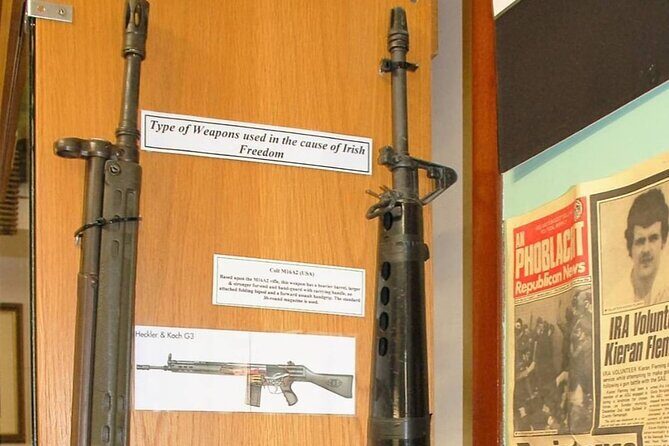
Next you’ll roll to Divis, the site of the Divis Flats. This stop is brief (about 5 minutes), but the details matter. The guide explains that Divis was used as an army base for a long period—over 25 years—with the top floors of the top block used by British forces. You also hear how supplies were delivered, including daily supply drops by helicopters.
Why this matters for you: it reframes the murals. Instead of treating the paintings as random street culture, you start seeing them as overlays on a landscape that was once militarized. Even in a short stop, that context can make the city feel more real.
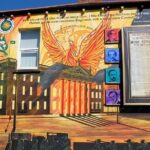
Then you move to the International Mural Wall on Divis Street. Again, about 5 minutes, and the concept is striking: you’ll see murals connected to support for countries and causes like the Cuban, Palestine, and Kurdish people. The guide’s point is that Belfast’s conflict stories connect to wider global attention—even when those stories weren’t widely covered at the time.
If you’re the type of traveler who likes to understand why a local place feels connected to the world, this stop will click.
Other Troubles & political tours we've reviewed in Belfast



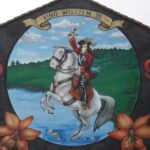
Clonard Monastery: a peace-process waypoint with real names
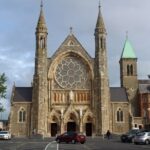
At the Clonard Monastery stop, the tone shifts slightly. You get only about 2 minutes, but it’s packed with meaning.
Clonard Monastery was built over 100 years ago by local and Italian craftsmen, and it’s described as breathtaking. More importantly, it connects to the peace process: the guide explains there were secret talks there between Gerry Adams and John Hume, hosted by Father Alex Reid.
This is one of the tour’s biggest value points because it gives you a concrete place where reconciliation efforts took root. You’re not stuck only in memorials and conflict walls—you see that formal peace work had locations, people, and moments.
Practical note: since it’s a quick stop, wear shoes that let you step in and out easily if the guide encourages it.
Peace Wall: the dividing line—and the quotes people left behind
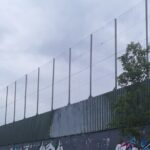
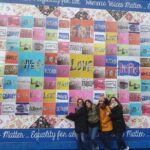
The Peace Wall stop is one of the longest on the route, around 13 minutes. That time is important because it lets you do two things: absorb the scale and read the messages.
The guide explains that the peace walls were built over 50 years ago to divide Catholic and Protestant communities. You’ll also hear that the walls stretch through the city and carry quotes of peace written by people around the world.
The names mentioned in connection with those worldwide messages are eye-catching: President Clinton, Lady Gaga, and Morgan Freeman. Whether you recognize all the names or just a few, the effect is the same—you start to see how Belfast’s division became global symbolism.
What I like about this stop: it’s not only about division. It’s about how people try to leave something different on the same barrier.
If you want the best photo, stand at a slight angle so you catch the wall plus the written text without getting blocked by street clutter. And give yourself time to read a line or two; the words are part of what you’re paying for.
Shankill Road and the Loyalist murals of British rule
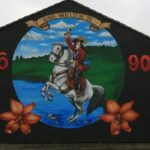
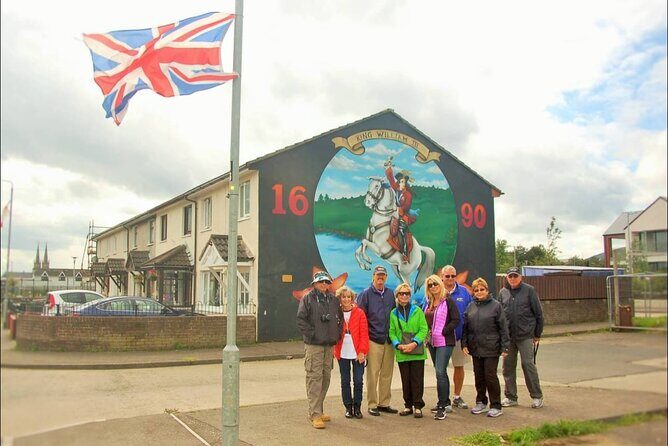
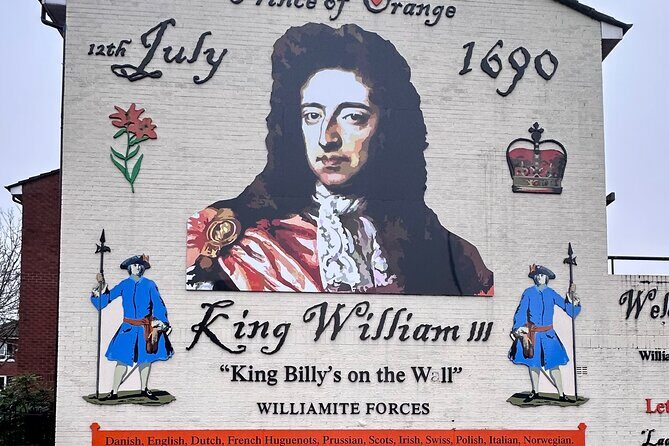
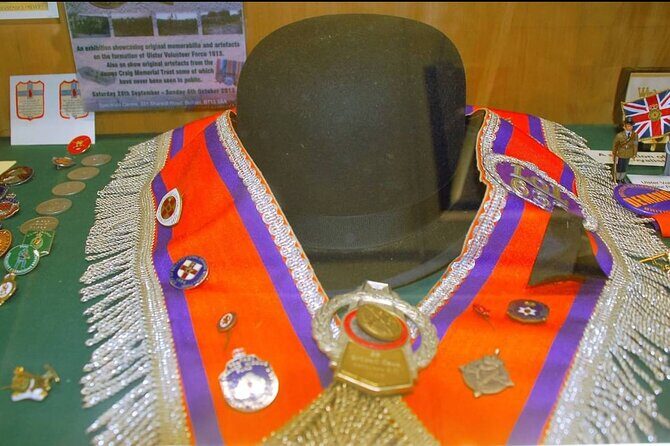
You finish on Shankill Road, often described as the heart and birthplace of the UDA and UVF. This stop is about 20 minutes, which tells you something: the Loyalist story needs time to land.
The guide explains the area in terms of the long arc of British rule in Ireland and how Loyalist identity ties into that history. You’ll also view murals that tell this story.
Why you’ll probably find this meaningful: the tour doesn’t end by circling only one side of the conflict. You move from Republican memory spaces (including the Bobby Sands stops) into a Loyalist stronghold. Even if you disagree with parts of the narrative, you gain the ability to recognize what different communities are responding to.
One consideration: by the end of the tour, emotions can run high. If you’re sensitive to conflict imagery, prepare yourself for strong symbols and direct commentary.
Pickup, meeting spot, and the easiest way to plan your timing
The tour starts at the Leonardo Hotel Belfast on Great Victoria Street (BT1 6DY). Pickup is offered, but it’s not available from cruise ships because it’s several miles outside Belfast city centre.
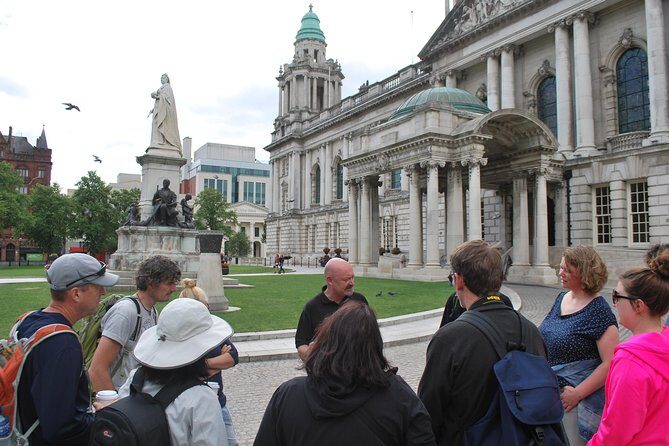
If you’re not starting at the hotel, you can request pickup within a 1 km radius of Belfast City Hall front gates, and that pickup is described as free. If you’re on a cruise, the cruise shuttle bus drops you outside Visit Belfast, which is across the street from City Hall. The clear idea here is: match your pickup to where City Hall is, and you’ll be in the right place.
You should also know the tour is near public transportation and is offered in English. That makes it easier to fit even if you’re not staying downtown.
Is this tour for you?
This experience is a good match if you want:
- A 1-hour structure that connects multiple sites with explanation
- Murals and walls treated as history, not just street art
- A guide voice shaped by having lived through The Troubles
- Photo stops that still feel purposeful
It may not be ideal if you prefer:
- A light, purely visual walking route
- A history guide that avoids political storytelling
- A slow-paced tour where you can linger for longer at each site
Should you book this black taxi tour?
I’d book it if you’re visiting Belfast for the first time and you want your time to count. The route hits the key mural and boundary sites—Bobby Sands murals, Divis Flats, Clonard Monastery, the Peace Wall, and Shankill Road—without dragging you through long detours. For the price, the real value is the driver-guide commentary, especially the kind that’s described as moving and informative.
One smart way to decide: if you’re willing to handle difficult stories and you want interpretation that helps you read the city, this tour fits. If you only want a quick photo stop tour, you may feel it’s too heavy for the time you spend.
FAQ
How long is the Belfast black taxi tour?
It’s approximately 1 hour.
What does the tour cost?
The price is $103.37 per person.
Is pickup available?
Yes. Pickup is offered, with a free pickup within a 1 km radius from Belfast City Hall front gates. Cruise ship pickup is not offered.
Where does the tour start?
The start is at the Leonardo Hotel Belfast on Great Victoria Street (BT1 6DY).
Is the tour offered in English?
Yes, it’s offered in English.
Are there photo opportunities?
Yes. The tour includes great photo opportunities, especially for murals such as the Peace Wall.
Is there a cancellation option?
Free cancellation is available. You can cancel up to 24 hours in advance for a full refund, based on the experience’s local start time.
You Might Also Enjoy

More Tour Reviews in Belfast
- Titanic Belfast Entrance Ticket: Titanic Visitor Experience Including SS Nomadic
★ 4.5 · 3,698 reviews