REVIEW · BELFAST
World Famous Belfast City Centre Black Cab/Taxi Tour 2 Hours
Book on Viator →Bookable on Viator
Belfast’s murals come with real consequences. This private black cab tour strings together Falls Road and Shankill Road landmarks, plus the peace walls, and explains how the Troubles shaped everyday life. I also like the practical setup: you get hotel/port pickup and don’t have to figure out routes or parking in a divided city.
The biggest thing to consider is the tone. This is not a casual photo-stop circuit. You’ll hear four versions of the conflict, and the stories can feel visceral and emotional, even if you’re only there for two hours.
In This Review
- Key Points to Know Before You Go
- Why Belfast’s Troubles Tour Works in Just Two Hours
- Getting the Most From a Private Black Cab Tour (Without Feeling Rushed)
- Divis Flats, Falls Road Side Streets, and the Army Base Story
- Bobby Sands Mural on the Falls Road: Where the IRA Story Begins
- The Old Hanging Gaol Stop: Prison That Continued the Conflict
- International Mural Wall on Divis Street: Messages That Rotate
- Shankill Road: Loyalism, UDA/UVF Roots, and 12th July Bonfires
- Clonard Monastery and Father Alex Reid’s Role in Peace Talks
- Peace Wall: 1969 Separation and the Famous Quotes
- Price and Value: What You’re Really Paying For
- Who This Tour Fits Best (and Who Might Want to Choose Another Format)
- Practical Tips So Your 2 Hours Land Well
- Should You Book This Belfast Black Cab Troubles Tour?
Key Points to Know Before You Go
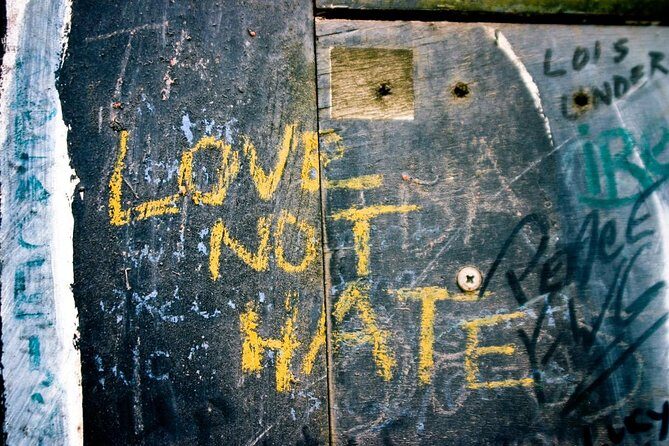
- Private black cab comfort: just your group and a guide, with WiFi on board.
- Divis and Falls Road context fast: you hit key sights tied to the army presence and the IRA-era world of murals.
- Stop-by-stop time keeps you moving: think quick looks (often 10–20 minutes) rather than lingering.
- Murals change, messages stay: the International mural wall cycles new themes like Palestine, Cuba, and the Kurdish community.
- Peace Wall meaning is explained on site: built in 1969 to keep communities apart, with famous quotes added later.
Why Belfast’s Troubles Tour Works in Just Two Hours
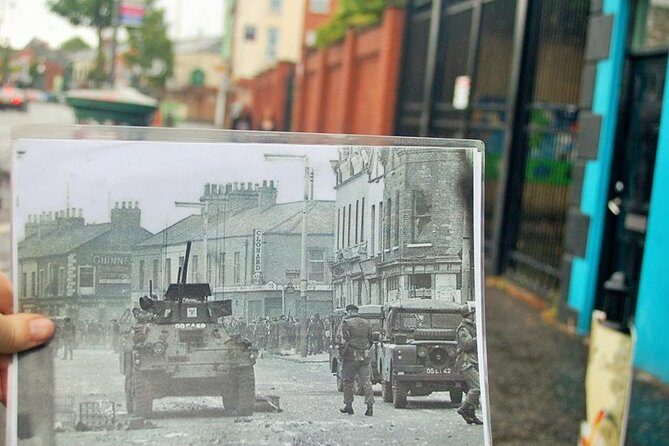
Two hours sounds short until you see how Belfast “reads.” In a lot of cities, history sits behind plaques. Here, it’s painted on walls, built into street layouts, and reinforced with the physical reality of separation.
This tour is designed like a fast, guided map of competing narratives. You’ll stop on both sides of the divide—Republican and Loyalist areas—and your guide connects the dots with local detail, plus personal context from their own life. That’s why it often lands differently than a museum visit.
The black cab format helps too. In a normal walking tour, you get scattered. In a cab loop, you stay focused, you can ask questions without the “line up” feeling, and you’re not fighting traffic.
Other black taxi & cab tours in Belfast we've reviewed

Getting the Most From a Private Black Cab Tour (Without Feeling Rushed)
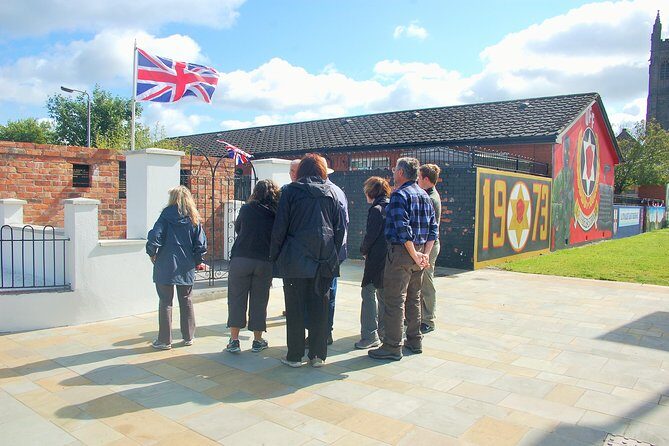
A private tour changes the vibe. Instead of sharing space with a crowd, you can ask follow-ups as you go. Many of the best moments come from how the guide handles the tension between facts and lived memory.
Here’s the simple strategy I’d use: come in ready for questions. The best guides on this route—people like Ricky, Brendan, John R., Patrick, and Kevin—are the ones who can answer you as you react. If you’re coming in with a TV-and-news version of the Troubles, expect your mental picture to shift.
Also, expect the pace to be “photo-ready” but not “stay all day.” Stops range from about 10 to 30 minutes based on the site. You can usually step out for pictures, but you shouldn’t plan on long wandering.
Finally, bring your sense of proportion. Two hours can’t cover 800 years or every political shift. What it can do—very effectively—is show you how the conflict became geography.
Divis Flats, Falls Road Side Streets, and the Army Base Story
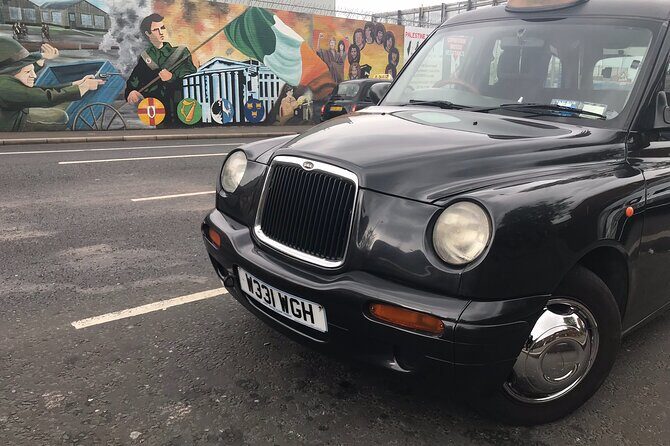
The tour begins in the Divis area, tied to the British army’s long occupation of parts of Divis Flats. Specifically, the top two floors were used as a base starting in 1969, and that presence lasted for over 25 years. That time period matters because it set the stage for decades of mistrust and community tension.
You’ll also get a look at a narrow street linked to filming—an extra layer for movie fans who recognize places from The Name of the Father. It’s a reminder that the Troubles didn’t just affect politics. It shaped culture, stories, and how the world later pictured Belfast.
What I like about this stop: it gives you a physical anchor for the conflict. Before you hear about murals and memorials, you understand why certain buildings and streets became symbols.
Possible drawback: because the stop is around 15 minutes, you’ll want to listen first, then take photos second. If you treat it like a full sightseeing block, you’ll feel time squeeze.
Bobby Sands Mural on the Falls Road: Where the IRA Story Begins
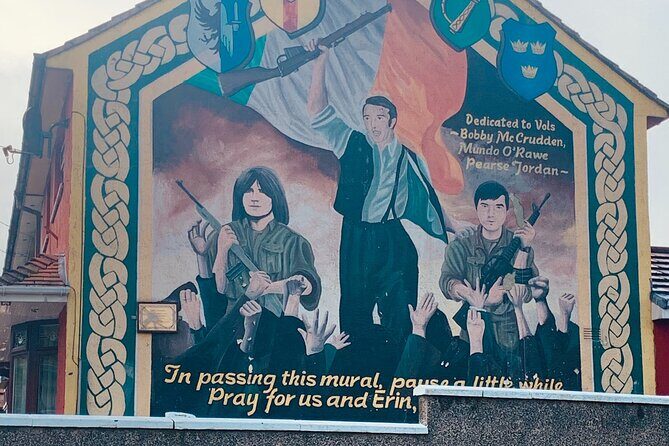
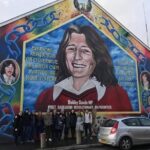
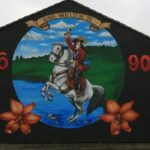
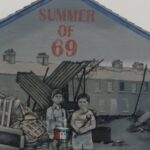
Next up is the world-famous Falls Road and the Bobby Sands mural area. This is described as the birthplace of the Provisional Irish Republican Army. The guide frames the murals not as decoration, but as local storytelling painted by people explaining the plight of the Catholic community.
This is where the tour often becomes more personal. Guides who lived through the Troubles—people highlighted like John, Ricky, and others—tend to explain how daily life and danger braided together. You also get a sense of scale: the Falls Road runs several miles, so one mural stop can feel like standing at the tip of a much bigger map.
The value here is the way you’re taught to read the murals. The guide connects what’s on the wall to what was happening on the street—who felt threatened, who felt protected, and why people still argue about “what happened.”
Good to know: the tour includes time for questions and photos, but the stop runs about 30 minutes. That’s enough for the big picture. If you’re hoping to trace every mural detail like a guided art walk, you may wish you had more time.
The Old Hanging Gaol Stop: Prison That Continued the Conflict
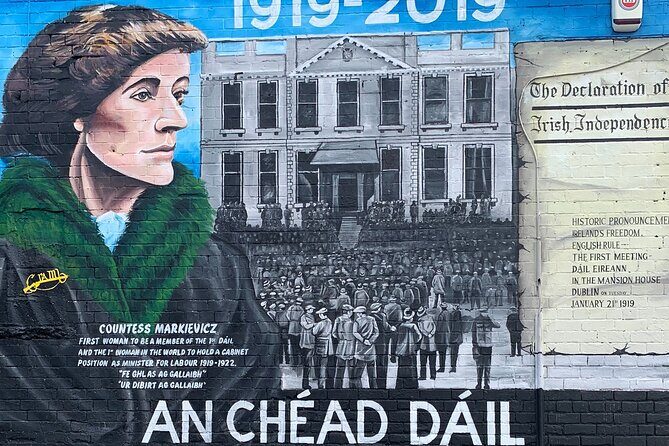
Between the mural-heavy stops, there’s a darker interlude at an old prison site. This one is described as a hanging gaol built in the 1800s. It held some of the most famous people tied to groups including the IRA, UVF, UFF, and INLA.
You’ll hear that it stayed active until it closed in the 1990s, tied to prisoner releases linked to the Good Friday agreement. In other words: the prison wasn’t just history. It was part of the negotiations and a pressure point in the final chapters of the conflict.
Why this stop matters: it forces you to connect politics to institutions—how the state handled prisoners, and why that shaped public anger and negotiation terms.
Watch your expectation: the tour is still two hours total. You won’t get a full history lecture on incarceration law or timelines. You’ll get the site, the role it played, and enough context to understand why this place still resonates.
Other Belfast city & sightseeing tours we've reviewed

International Mural Wall on Divis Street: Messages That Rotate
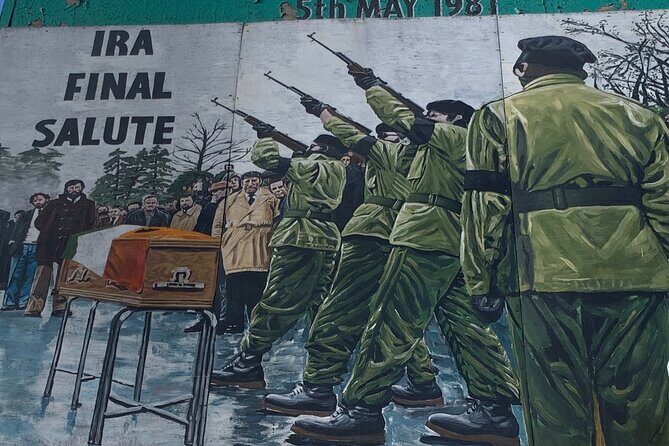
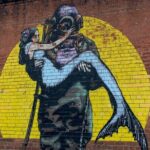
Then you shift to a mural wall in the Divis Street area that updates frequently. It’s described as having over 40 murals that change monthly, including themes like Palestine, Cuba, and the Kurdish community.
The guide explains each mural and how it ties back to Republican connections. This matters because it helps you see why Belfast isn’t stuck in only one decade. The Troubles may be the anchor, but the political impulse behind the art continues to react to events elsewhere.
What I really like here: it breaks the feeling that the tour is only about the past. Even though you’re walking through places tied to the 1970s–1990s, the messages show how political identity keeps moving.
Trade-off: since murals change monthly, your exact photos will differ from anyone else’s. That’s not a problem if you focus on reading the theme while you’re there.
Shankill Road: Loyalism, UDA/UVF Roots, and 12th July Bonfires
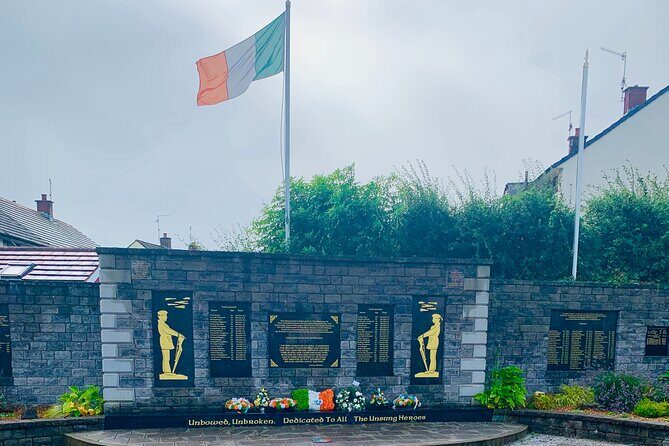
Now you cross to the Shankill Road area, described as the heart of loyalism. Here you get the other side of the mural map, including the idea that this road relates to the birth place of the UDA and UVF.
Your guide explains the murals and also the tradition of bonfires on 12th July. This stop isn’t just about slogans on walls—it’s about how different communities experienced fear, retaliation, and political struggle, including the plight of Protestant communities and their fight against the IRA.
This is a key moment for anyone who has come with one-sided ideas. A guide delivering a “balanced perspective” rooted in lived experience—people like John R. are singled out for this approach—can make the difference between hearing two unrelated stories and understanding a linked conflict.
How to handle this stop: keep listening even if the message feels harsh. The point isn’t to agree with every claim. The point is to understand why each community clings to its own version of what safety and justice meant.
Time check: this portion runs about 20 minutes. You’ll get a decent sweep, but don’t expect full street-by-street detail.
Clonard Monastery and Father Alex Reid’s Role in Peace Talks
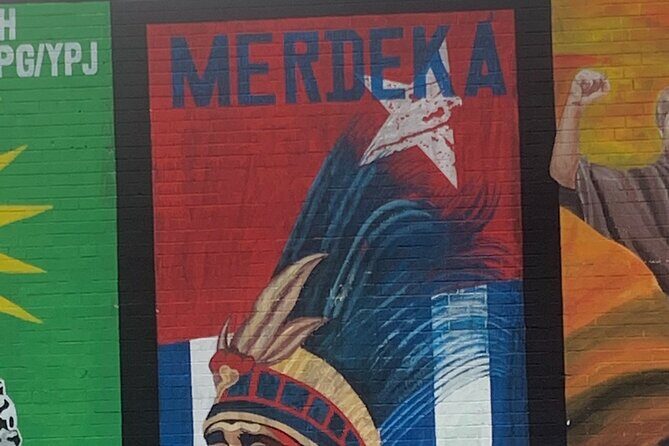
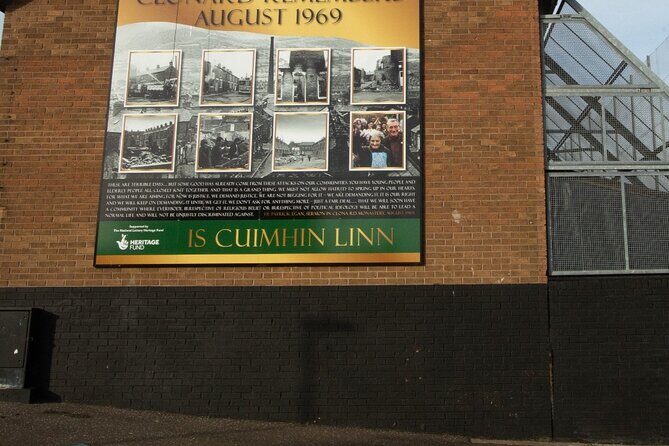
Clonard Monastery is a breather in terms of architecture and atmosphere—gothic, with Italian craftsmen and local work shaping the building. But it’s also loaded with meaning for the peace process.
The standout detail is that Father Alex Reid hosted secret peace talks between Gerry Adams and John Hume. That makes the stop feel like more than a stop on a route. It becomes a hinge point: the conflict doesn’t end with anger. It ends with negotiation, secrecy, and hard choices by people with something to lose.
Why I like this stop: it shows the “after” part of the Troubles, not just the “during.” Many people leave Belfast only half-understanding the story until they see where peace-making happened.
Reality check: the stop is only around 10 minutes. If you’re fascinated by the peace process, you might want to pair this tour with extra time in Belfast later. But as a connector in a 2-hour loop, it works well.
Peace Wall: 1969 Separation and the Famous Quotes
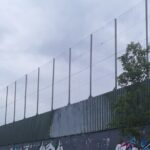
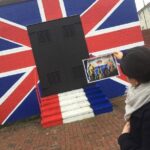
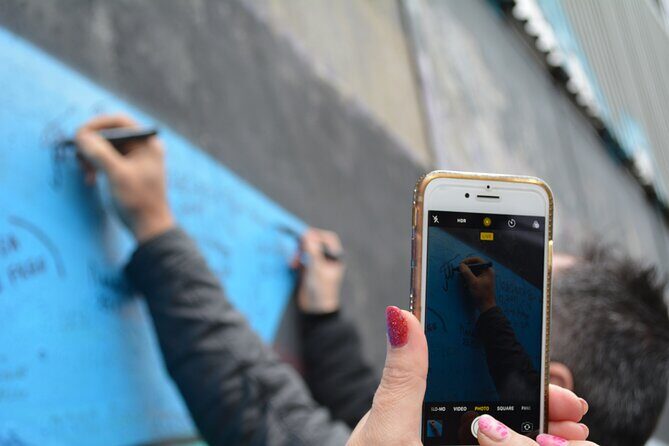
The final major emotional marker is the Peace Wall. Belfast’s peace walls stretch through the city, and this specific stop explains the origin: built in 1969 to keep loyalist and Republican communities apart.
Then you’ll hear about the famous quotes added over time. The tour information notes that President Bill Clinton, Tiger Woods, and Morgan Freeman have all left messages on the wall for peace. Those names make the wall feel global, but the explanation brings it back to Belfast’s daily reality.
What the Peace Wall teaches: even when violence stops, separation can remain built-in. Walls are physical reminders that people once needed protection from neighbors—and that trust can take generations.
How to take it in: slow down for this one. Even if the stop is around 15 minutes, you’ll get more out of it if you let the meaning land instead of rushing for photos.
Price and Value: What You’re Really Paying For
At $111.11 per person for about two hours, you’re not just paying for transportation. You’re paying for interpretation: a local guide translating murals, streets, and buildings into a story you can actually understand.
Here’s where the value shows up for most people:
- Hotel or port pickup and drop-off means you lose less time figuring things out.
- Private vehicle and air-conditioning matter in Belfast weather, especially when you’re doing multiple short stops.
- WiFi on board is a small plus, but it helps you check maps and translate your notes into a plan for the rest of your day.
- The tour is set up for one group only, so questions don’t get squeezed into a shared schedule.
There’s also a human value component. Several guides are praised for sharing personal lived experiences, not just dates and place names. That’s the difference between “seeing sites” and understanding why those sites still matter.
One caution on value: one review notes confusion about a port-related extra charge, while the tour format also states port pickup/drop-off is included. If you’re arriving by cruise or using a port transfer, double-check your total ahead of time so you don’t get surprised at the curb.
Who This Tour Fits Best (and Who Might Want to Choose Another Format)
This tour is ideal if you want a fast, guided picture of Belfast’s split neighborhoods and you care about how history shows up in everyday space. It’s also a great fit for history-minded travelers who already know the big headlines but want the local connections—why a street, a wall, or a mural became a lasting symbol.
It’s also a good match if you’re short on time and hate navigating. You’ll skip route-planning stress, and you’ll get a structured set of stops.
You might reconsider if:
- you want a long, in-depth museum-style experience without emotional intensity
- you dislike tours that include difficult political material
- you’re expecting a lot of time at each location (most stops are around 10–30 minutes)
If you’re bringing kids, the setup says children must be accompanied by an adult. Also, because this route deals with conflict and historical violence, I’d judge suitability based on your child’s maturity and your family’s comfort level with sensitive topics.
Practical Tips So Your 2 Hours Land Well
Here are a few things that help the experience feel smooth and meaningful:
- Wear shoes you can walk in fast. Stops include getting in and out for photos.
- Plan your questions. If you’re unsure about the terms you’ll hear (political groups, peace process references), ask early.
- Take notes after major stops, not during. You’ll enjoy the explanation more if your attention stays on the guide.
- Use the cab time to reset. The loop can feel intense. That ride section is where you can regroup and ask for clarity.
If you want the best feel for the route, think about timing too. The tour runs daily during the listed hours, and one practical tip from the overall experience is that starting early can mean quieter streets and easier photo moments.
Weather matters. The tour notes it requires good weather, and if it’s canceled due to poor conditions you’ll be offered a different date or a full refund.
Should You Book This Belfast Black Cab Troubles Tour?
I’d book it if you want a structured, emotionally honest introduction to Belfast’s Troubles-era geography—without the stress of navigating the city yourself. The private cab format is a big part of the value, and the stop selection (Divis flats, Bobby Sands murals, the prison site, the International mural wall, Shankill Road, Clonard Monastery, and the Peace Wall) hits the places that carry the story in the real world.
I’d think twice if you prefer a lighter history outing or you’re uncomfortable with conflict-focused narratives. Also, if you’re arriving by port, confirm any fees so you’re not dealing with surprises on the day.
If you do book, choose the version led by the kind of guide who shares lived context and keeps the explanations moving. On this route, the best guides—like Brendan, Ricky, Kevin, Patrick, John R., and Sean Mc.—are the ones who help you understand the city’s “why,” not just the city’s “what.”
You Might Also Enjoy
More Tour Reviews in Belfast
- Titanic Belfast Entrance Ticket: Titanic Visitor Experience Including SS Nomadic
★ 4.5 · 3,698 reviews